
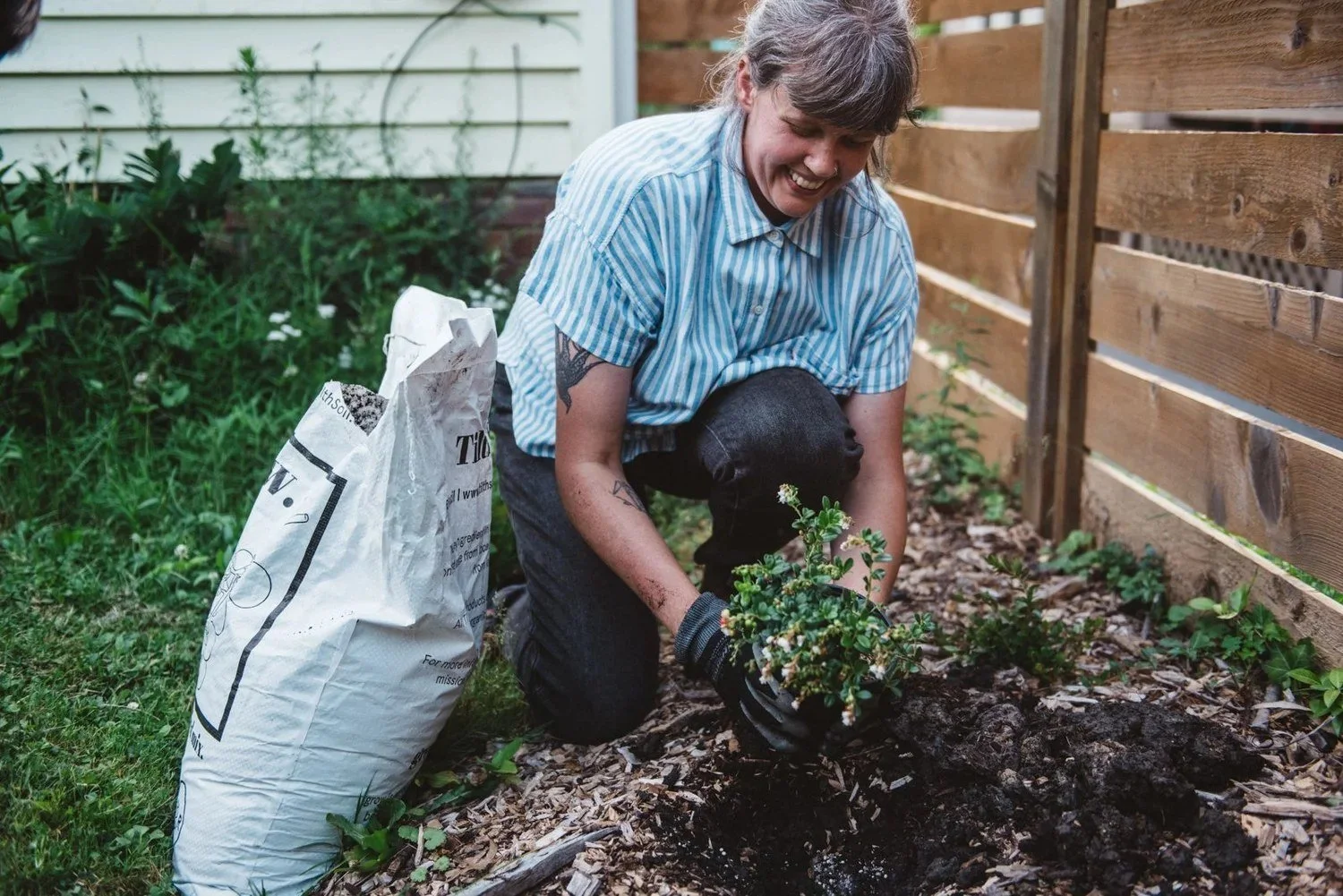
Composting can feel like a modern, climate-era idea. It’s actually one of the oldest tricks in farming. What’s new is who does it, and how easy it’s getting.
Older than writing (almost)
The earliest known written reference to compost is thought to be on clay tablets from Mesopotamia, around 2300 BCE. Farmers in ancient Greece, Rome and China returned manure, crop waste and scraps to their fields. Long before anyone could explain the chemistry, people knew that what comes from the soil should go back to it.
A founding father’s compost pile
George Washington was something of a compost nerd. At Mount Vernon he tested fertilizers and kept a “stercorary,” a covered dung repository, to make and store compost for his fields.
The science catches up
In the 1920s and ’30s, British botanist Sir Albert Howard developed the Indore method in India: building heaps of green and brown materials and turning them to speed things up. His 1940 book An Agricultural Testament inspired J.I. Rodale, whose Organic Gardening magazine helped bring compost to American backyards.
From the backyard to the city
For most of the 20th century, food scraps went in the trash and the trash went to the landfill. That’s changing fast. San Francisco passed a mandatory composting law in 2009. Vermont required everyone to keep food scraps out of the trash by 2020. California’s SB 1383, signed in 2016, now requires cities to offer organics collection, and New York City brought curbside composting to all five boroughs in 2024. A BioCycle survey found the number of U.S. curbside food scrap programs grew 87 percent between 2014 and 2017 alone.
Why it matters now
According to the EPA, food makes up about 24 percent of what’s buried in U.S. landfills, more than any other material. The EPA also estimates that landfilled food waste causes about 58 percent of the methane escaping from municipal landfills. Composting turns that problem back into soil.
Where Cleveland fits
Most cities still don’t collect food scraps. So in 2014 we started doing it ourselves, by bicycle. Today Rust Belt Riders is a worker-owned co-op serving nearly 6,000 households and businesses across Greater Cleveland, with weekly pickup, 40+ drop-off bins and community programs like Lorain County’s. Every bucket is part of a very old story: food back to soil.
Join the next chapter. Start Curbside Pickup or join Neighborhood Drop-Off.